


Key Highlights
- A felony conviction in Illinois typically leads to the loss of gun rights, directly impacting firearm ownership and possession.
- Obtaining a Firearm Owner’s Identification (FOID) card becomes highly improbable with a felony record.
- Restoration of gun rights for felons is a complex process, potentially requiring legal intervention and appeals.
- Penalties for illegal firearm possession by convicted felons are severe, often involving hefty fines and extended prison sentences.
- Cases involving felons and firearm possession highlight the stringent enforcement of these laws in Illinois.
Introduction
In Illinois, a felony conviction brings serious and lasting effects, especially regarding owning guns. This complex legal situation often causes people with felony convictions to struggle with their rights and the chance to get them back. The relationship between felony convictions, firearm owner’s identification cards (FOID), and the law in Illinois needs careful look.
Understanding Felony Conviction and Gun Rights in Illinois
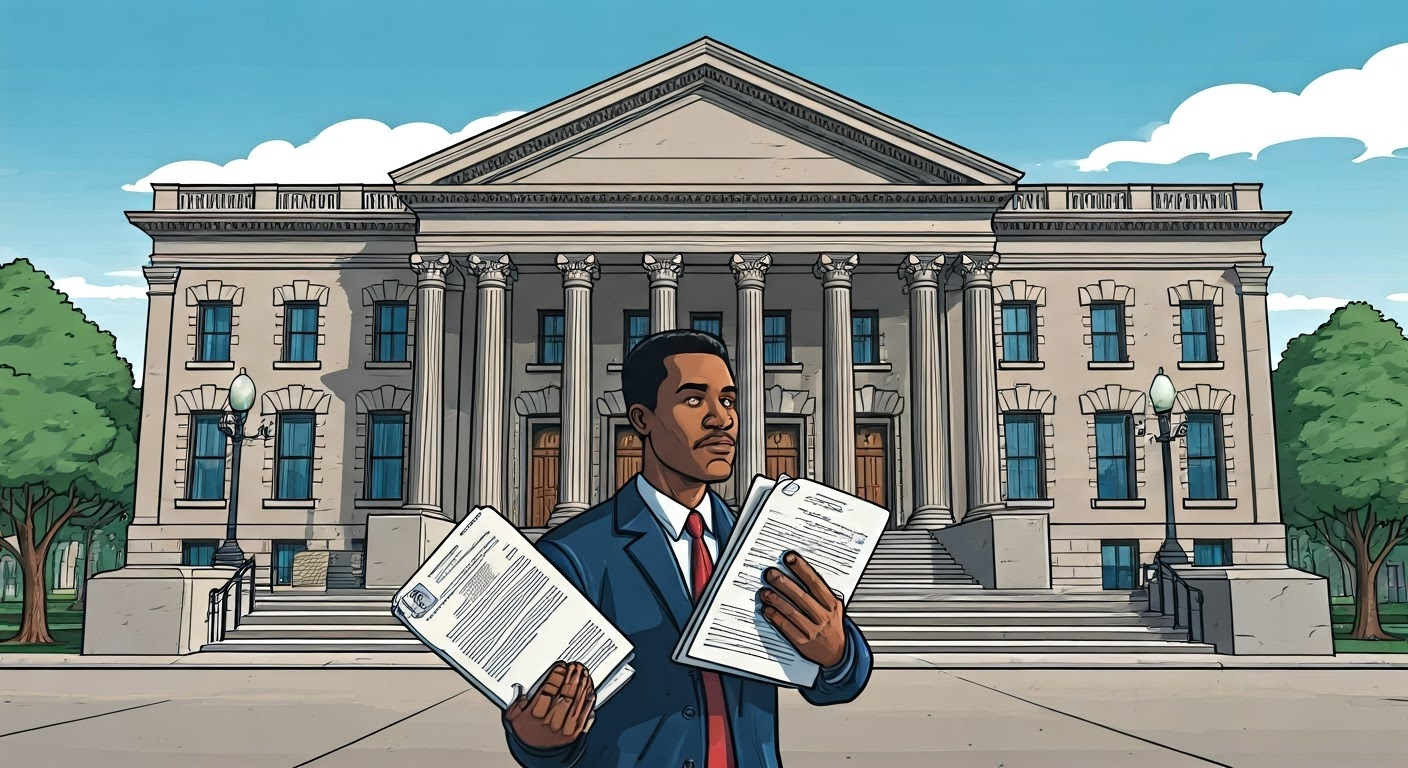 Understanding the rules about felony convictions and their effect on gun rights in Illinois is important. The state has strict laws that do not allow people with felony convictions to own firearms. These laws aim for public safety. They try to reduce the risks of firearms being in the possession of individuals with a criminal history.
The Impact of a Felony Conviction on Firearm Ownership
Having a felony conviction changes a person’s civil rights a lot, especially when it comes to owning guns in Illinois. If someone has a felony, they cannot own, possess, or even have control over firearms according to Illinois law. This rule applies to all types of guns, no matter if they work or not.
The reason for this rule is about public safety. The state wants to reduce the chances of guns getting into the hands of people with a criminal past. This policy is part of Illinois’s larger efforts to stop gun violence. They understand the risks firearms can pose when held by those with a felony conviction.
Overview of Illinois Firearm Owners Identification (FOID) Card Requirements
In Illinois, you need a FOID card to own a firearm legally. This card comes from the Illinois State Police and is important for anyone wanting a firearm or ammunition. If a person has a felony conviction or certain misdemeanors, like domestic violence, they cannot get a FOID card. To apply, background checks will be conducted, which include looking at your criminal record. It is very important to follow these rules to stay within Illinois law.
Navigating the Legal Landscape for Felons Wishing to Restore Gun Rights
In Illinois, there are strict rules, but felons can still try to restore their gun rights through legal methods. This process can be hard, but it gives hope for those who are serious about showing they have changed and want to regain this important right.
Steps to Apply for a FOID Card Post-Conviction
Felons in Illinois who complete their sentence can apply for a FOID card to legally own a firearm. The Illinois State Police manage the application. They will carefully check the applicant’s criminal record, background, and any risks to public safety.
Applicants need to share full details about their conviction. This includes the type of crime, the sentence given, and any steps taken for rehabilitation. The Illinois State Police closely review every FOID card application from felons. They look at the crime’s nature and seriousness. The choice to approve or deny the FOID card rests only with them. If an application is denied, the applicant will get notified and receive details about how to appeal.
Legal Avenues to Restore Gun Rights in Illinois
Restoring firearm rights after a felony conviction is difficult, but individuals in Illinois can look into the legal options available. It is important to talk to an experienced Chicago gun attorney who knows about firearm rights. They can help navigate this complicated process.
Having a good criminal defense lawyer can greatly improve the chances of winning an appeal. These lawyers can assist individuals in creating a strong case. This case should show rehabilitation, a lower risk to public safety, and how it serves the public interest. If the Illinois State Police deny a FOID card application, there are often ways to appeal the decision. This may involve taking the case to an administrative law judge or, sometimes, to the Circuit Court.
Penalties for Illegal Firearm Possession by Felons in Cook County
 The laws about illegal firearm possession are very strict in Cook County. This shows how seriously the area treats gun control and public safety. Illinois law allows prosecutors to file charges that can be as minor as misdemeanors or as serious as felonies. This choice depends on the details of each case and the person’s criminal history.
Consequences of Violating Firearm Laws as a Convicted Felon
The consequences of breaking firearm laws in Illinois are serious for everyone, but even more so for those with a past felony conviction. Violating these laws can lead to a longer prison sentence. This can greatly affect a person’s freedom and future.
In Illinois, if a convicted felon is caught with a gun, they may be charged as an Armed Habitual Criminal. This charge comes with very tough penalties. It shows the state’s strong stance against repeat offenders and those considered a threat to public safety. The harshness of these penalties makes it clear that knowing and following firearm laws is crucial. Even a short chance encounter with firearms can change someone’s life forever.
Case Studies: Real-Life Penalties Faced by Violators in Illinois
Examining real-life examples from Illinois courts illustrates the serious consequences awaiting those who violate firearm laws, reinforcing the message that these offenses carry substantial penalties. The following table highlights the penalties imposed in Illinois:
| Case | Offense | Sentence |
|---|---|---|
| Case A | Felon in possession of a firearm | 5 years in prison, $5,000 fine |
| Case B | Aggravated unlawful use of a weapon | 7 years in prison, $10,000 fine |
| Case C | Armed Habitual Criminal | 15 years in prison, $25,000 fine |
These cases demonstrate that law enforcement agencies are vigilant in enforcing firearm-related offenses and that judges in Illinois are likely to impose significant penalties. The emphasis on incarceration reflects the high value placed on public safety in the state.
Strategies to Avoid Common Pitfalls in Gun Rights Restoration
For people with a felony conviction, trying to get their gun rights back can be very challenging. They may face many obstacles along the way. However, knowing the details of the law and taking the right steps can greatly increase the chances of success.
Expert Legal Advice on Navigating Firearm Legislation
If you need help with firearm laws in Illinois, it’s important to talk to a good criminal defense lawyer. These experts can provide helpful advice. They make sure you know your rights and what you need to do. They also understand the specific legal details that matter in your case. Experienced attorneys can gather strong evidence to support your request to restore gun rights.
Lawyers who focus on firearm laws know about past legal cases and can foresee possible problems. This can make your case stronger. When you hire a qualified lawyer, you show that you want to handle the legal process the right way. This can also improve your chances of getting a good outcome.
Proactive Measures to Improve Chances of Restoring Gun Rights
For people trying to get their gun rights back, it’s very important to show that they have changed and are responsible citizens. This matches the public interest, as it helps keep guns away from those who should not have them. Participating in activities that show personal growth can help make a strong case.
It’s also essential to deal with past crimes, especially those related to guns, violence, or domestic violence, to create a good argument for restoring gun rights. Taking ability to fix issues from past offenses shows a commitment to personal growth and responsible actions. Seeking therapy or counseling, if it relates to the original crime, also acts as a strong step in addressing any deep problems that may have led to earlier wrongdoing.
Conclusion
Understanding felony convictions and gun rights in Illinois is crucial for handling the law. A felony conviction can greatly affect your right to own a gun. Knowing what you need to do to get a Firearm Owners Identification (FOID) card is also important. After a conviction, you should follow the right steps and get legal advice to help restore your gun rights legally. Avoid common mistakes and know the consequences of breaking gun laws. This will help you stay compliant and meet your legal duties. If you want help on this topic, think about talking to legal experts to take steps in restoring your gun rights in Illinois.
Frequently Asked Questions
Can a Felon Ever Legally Own a Gun in Illinois?
In Illinois, it can be difficult, but a convicted felon can legally own a gun. The state police can give a felon a FOID card if certain conditions are met. This is possible if the person shows they have changed for the better and are not seen as a danger to public safety.
Facing a gun charge in Cook County? Talk to a Chicago gun charges lawyer at the Law Offices of Mitch Furman. Consultations are free: call (312) 236-7078.


